Activity Based Learning
Activity based Learning comes under Holistic and Multidisciplinary Education(HME) Teaching scheme.
- Objective of Activity based Learning is to prepare students for Leadership and Excellence in their life roles by continually engaging students in both individual and team activities that explore important issues or phenomena, use multiple media and technologies, create products that embody the results of the students explorations, and call the students to explain their work and products to adult and student audience.
- Further the course also aims to develop the Society Sensitive Citizens by creating awareness among students and take up the initiatives in the Activity mode for the needy.
- The course intends to deliver the understanding of the concepts of critical thinking, encourage the students to look beyond their textual knowledge, establish the relationship between theory and the applications of the learned concepts.
- It also intends to address the social issues and help the society in the area of work.
Project Based Learning
Project based Learning comes under Holistic Student Development(HSD) Teaching scheme. This course is intended to develop projects thereby identifying & analyzing the basic real time problems and study existing solutions and prepare literature survey. Project Based Learning is a process in which students acquire knowledge and skills by working for an extended period of time to investigate and respond to genuine, appealing and complex question, problem statements, or challenge. To apply the basic computing & mathematics fundamentals to solve problems and to apply fundamental concepts of Programming such as C/C++ and Java to solve basic real time problems.
Project Development Phases
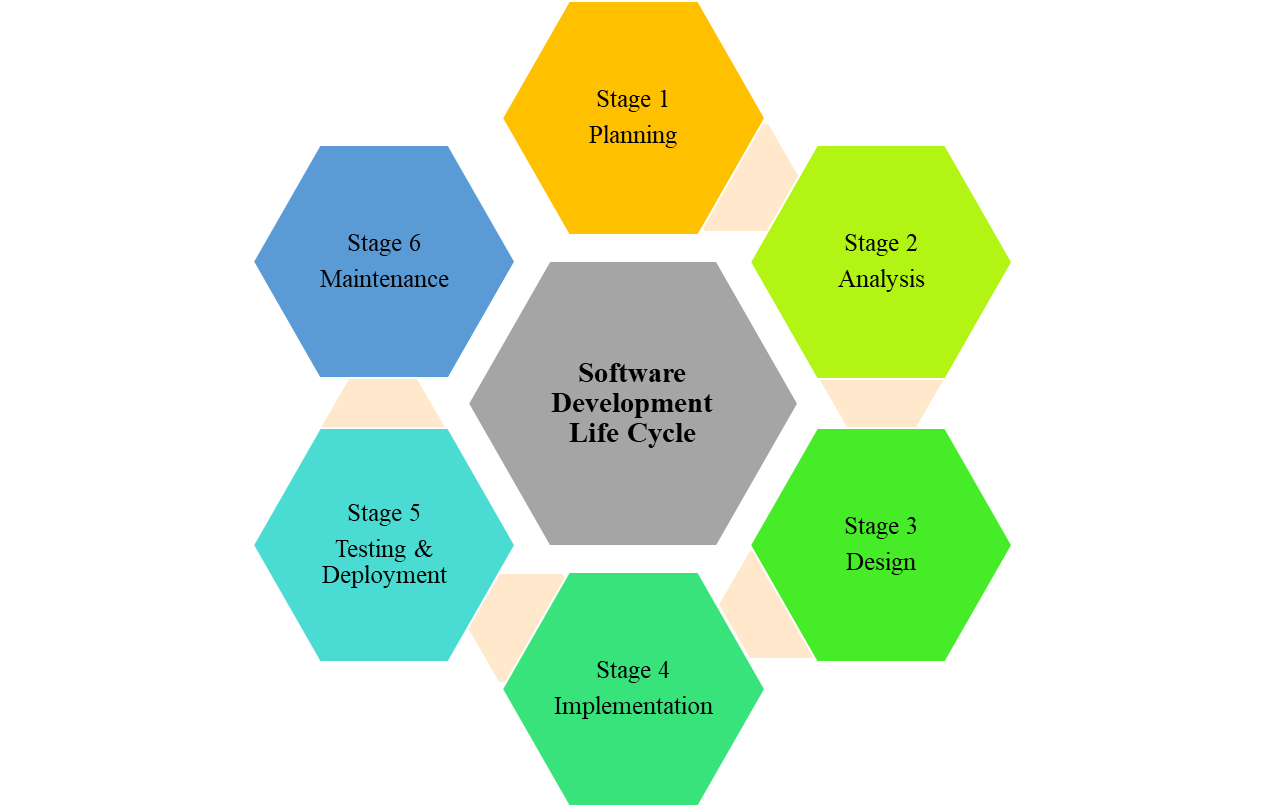
A project is temporary and
unique which has a defined beginning and end in time, and therefore defined
scope and resources. Project has a specific set of operations which is designed to accomplish a
single goal.
Project management, is the application of knowledge, skills, tools, and
techniques to project activities to meet the project requirements.
TCET conducts Mini, Minor & Major project development activity for SE, TE & BE
respectively.
Research Based Learning (RBL)
Research based Learning comes under Holistic Student Development(HSD) Teaching scheme. Research based Learning is focused to engage the learner in research by upgrading domain knowledge by participation in technical quiz and debate, critical thinking, innovative idea generation and technical writing.
Industrial Certification
Industrial Certification under Holistic Student Development(HSD) Teaching scheme is offered in Semester VII and VIII under the CBCGS-HME 2023 curriculum aims to foster a culture of continuous and self-directed learning among students. It provides an opportunity for learners to pursue certifications from reputed industry platforms and organizations, thereby enhancing their technical proficiency and professional readiness. Through this course, students engage in a minimum of 60 hours of structured self-learning per semester, guided and monitored by their project mentors. The course encourages individual exploration and specialization, allowing students within the same project group to pursue certifications aligned with their personal interests and career goals. By the end of the semester, students present their learning outcomes and submit a comprehensive report, demonstrating their acquired skills and practical understanding. This initiative not only bridges the gap between academic knowledge and industry expectations but also adds significant value to students’ resumes, equipping them with globally recognized credentials and preparing them for dynamic career opportunities in the engineering domain.
Industrial Practices
The IP Programme is a dedicated one-week programme which is conducted at the start of semester to ensure continuous learning of students. It is conducted on daily basis for 6 hours with hands-on experience for five days by industry experts. After the successful conduct of the training, the evaluation and assessment are done in the form of formative assessments, projects, oral and power point presentations, etc. The students are evaluated based on various parameters like Knowledge, Skills & Competencies, and Attributes (KSA Model) through binary evaluation method.
Professional Skills
PS curriculum is a core subject offered to students that aims to impart systematic knowledge of Cloud Infrastructure, Cloud Architect, Data Architect, Full Stack Development. The course emphasizes fundamental concepts such as data modeling, database and data warehouse architectures, data integration techniques, distributed and big data systems, and data governance principles, cloud principles. It enables students to understand the complete data lifecycle and the architectural considerations required for building scalable, reliable, and efficient data-centric systems. Through a balanced blend of theoretical foundations and practical exposure, the subject develops students’ ability to analyze requirements, design appropriate data architectures, and apply industry-relevant best practices. The course supports attainment of program outcomes by strengthening analytical skills, design thinking, and preparedness for advanced studies and professional roles in data engineering and related domains.