Integrating IoT and AI: Creating Intelligent Embedded Systems
 5th, December, 2025
What if machines, rather than just sensing their environment, could understand it? What if a device could come to a decision all on its own, learn from experience, and change its ways without human intervention? It's no longer a question for the far future. It is the present of integrated Internet of Things and Artificial Intelligence—a partnership driving intelligent embedded systems across industries and daily life.
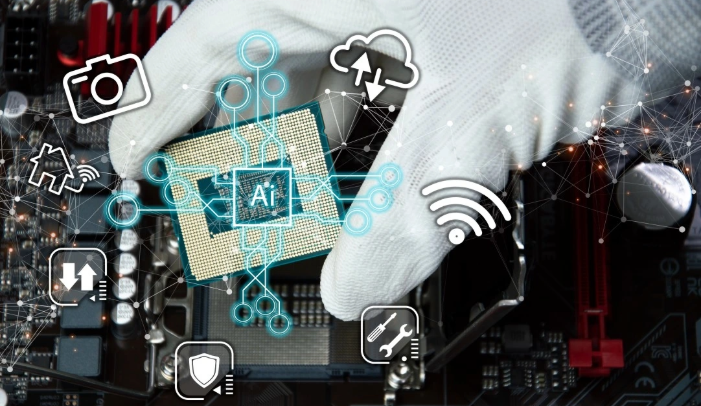
By definition, IoT connects billions of devices that gather and share information. Artificial Intelligence, or AI in short, grants those machines the ability to analyse that information, recognize patterns, and make smart decisions. When this is merged within an embedded system, these two technologies join to create a strong combination that turns simple devices into intelligent agents capable of learning and responding in real time.
Embedded systems are thus the unsung heroes of modern engineering. These compact computing units are built straight into machines and devices, everything from household appliances to industrial equipment. Conventionally, such systems followed pre-set rules; they could perform tasks only for which they were programmed. But with the coming of IoT and AI integration, they turn dynamic and are capable of interpreting data to adjust operations and even predict outcomes.
Let us explore how IoT and AI work together to create this new class of intelligent embedded systems:
Sensor and Data Collection
The basis of any intelligent system is sensors. These tiny components capture information from the environment, such as temperature, movement, light, pressure, or sound. IoT enables these sensors to communicate and share data across a network, creating a constant flow of information.
Edge Processing
Instead of transferring all the data to faraway servers, most systems today process data near the point of generation, a concept known as edge computing. It makes decisions quicker, reduces the load on the network, and assures real-time responses.
Machine Learning Integration
AI brings intelligence to the edge. By embedding machine learning models directly into devices, systems can analyse patterns, recognize anomalies, and predict outcomes on their own without needing any external guidance. Using an embedded AI system, one can detect if any machine part is likely to fail and take preventive measures before it happens.
Connectivity and Communication
IoT provides the infrastructure that connects these intelligent systems. Using wireless connectivity, the embedded devices can interact with other systems, update each other, and function as part of a larger digital ecosystem.
Automation and Adaptation
The true power of integrating IoT and AI lies in autonomy. Once a device can sense, process, and decide, automatic adaptation becomes part of its behaviour. From adjusting energy use in buildings to optimizing industrial processes, intelligent embedded systems learn continuously and improve performance over time.
Security and Reliability
With greater intelligence comes greater responsibility. Protection of data and ensuring the reliability of connected devices is paramount. Therefore, secure communication protocols, encrypted storage, and robust monitoring methods are being developed by engineers to keep these systems safe and dependable.
The effects of such integration go far beyond convenience. In agriculture, smart sensors can track soil and weather conditions to optimise water usage. In healthcare, wearable devices can monitor a patient's health and send early warning signals to health professionals. In manufacturing, predictive systems can reduce downtime and increase productivity. Devices that not only connect but also think are shaping every sector.
But this transformation is not without its challenges. Training AI models for resource- constrained embedded systems requires a lot of ingenuity and efficiency. Energy consumption, data privacy, and interoperability are major concerns for engineers as the technology continues to evolve.
These intelligent embedded systems shape a world where machines no longer need to wait for instructions but take initiative on their own, channelling raw data into meaningful action that paves the way toward a smarter, more connected future.