IoT Networks: How Sensors Communicate in the Modern World
 5th, December, 2025
What if the world around us could indeed talk? Not through words or sound, but through streams of data flowing quietly among devices. Streetlights adjusting to traffic, farms watering themselves, and homes learning from our habits—all of this happens because tiny sensors are listening, thinking, and sharing. This invisible conversation is driven by what many refer to as the Internet of Things, or simply IoT— one of modern technology's most transformative forces.
Connection is truly at the heart of IoT. It turns ordinary inanimate objects into active participants in a digital network. Every device—from a temperature sensor to a motion detector—continuously collects data from the environment and forwards it to other connected systems for action. The result is an ecosystem where machines work together to make life safer, more efficient, and more sustainable.
But the real question is, how do these sensors communicate? Though it may seem magical, it is the result of brilliant engineering. IoT networks consist of multiple technological layers working seamlessly together: sensors collect data, protocols transfer it, gateways direct it, and cloud platforms transform it into meaningful insight. Each step ensures that this silent digital conversation remains smooth, reliable, and secure.
Sensors and Actuators
Sensors function as the eyes and ears of any IoT system. They detect temperature, motion, light, pressure, humidity, and more. Actuators act as the system’s hands, converting data into action—such as adjusting a thermostat or opening a valve. Together, they form the fundamental input and output of intelligent IoT systems.
Network Connectivity
Every IoT device needs a communication medium to send data further. Networks use wireless, cellular, or low-power technologies, depending on range and energy needs. Choosing the right network ensures that devices communicate efficiently and reliably.
Edge Devices and Gateways
Not all data needs to travel long distances. Some information is processed locally, at the edge—close to where it is collected. Gateways act as local managers, filtering, analysing, and forwarding only the necessary data to central systems. This reduces delays and improves overall network efficiency.
Cloud Platforms
When data reaches the cloud, it can be stored, organised, and analysed at scale. Cloud platforms turn raw data into patterns and insights that help cities, industries, and individuals make informed, real-time decisions.
Security Layers
With billions of connected devices, security becomes an immediate necessity. Encryption, authentication, and constant monitoring protect IoT networks from threats that may disrupt or misuse data. Secure systems ensure that IoT’s advantages are not overshadowed by risks.
Data Analytics and Visualisation
Collecting data is only the beginning. Real value emerges when data is analysed and interpreted. Modern analytics tools identify trends, detect anomalies, and even predict future events. Visualisation tools help humans understand the large volumes of information sensors generate.
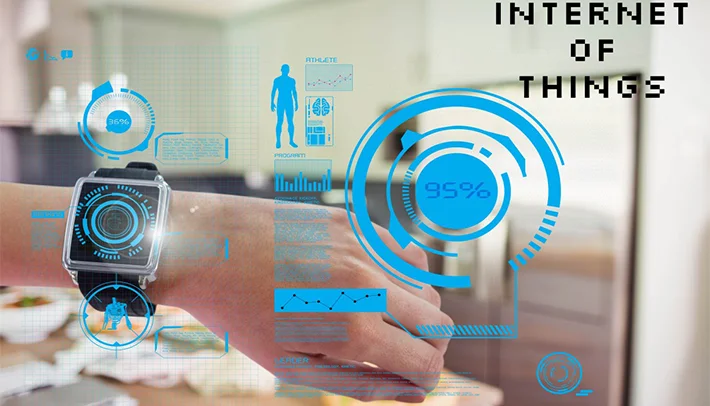
IoT networks now influence nearly every aspect of modern life. Cities use them to monitor air quality and control traffic. Industries track machinery health to prevent failures. Agriculture benefits from sensors that measure soil moisture and weather, enabling precise farming. Wearable devices are even transforming healthcare through continuous monitoring of vital signs.
However, this rapid growth brings challenges: scaling to billions of devices, ensuring low energy consumption, and protecting data privacy. The next generation of IoT will feature more autonomous networks capable of making decisions independently, reducing human intervention while boosting reliability.
The world is becoming a living network of interconnected things. Every sensor, signal, and data point contributes to a greater narrative—one in which technology learns from us as much as it serves us. As this digital conversation grows louder and smarter, it continues to shape the way we live, work, and connect. In today's world, communication is no longer just spoken; it is sensed, transmitted, and transformed into knowledge that powers the future.